
Melissa is an exceptional partner in regional economic development. Her ability to coordinate seamlessly with Alliant Energy ensures that Winnebago and Worth counties are always positioned for growth. She is proactive, deeply knowledgeable, and highly collaborative- bringing her into a project early is a guarantee that things will move forward efficiently and successfully.
— Chad Hansen , Alliant Energy
Planning for Prosperity
6 Feb 2026
News, Blog
Strategic Economic Development Lessons from Rural Iowa
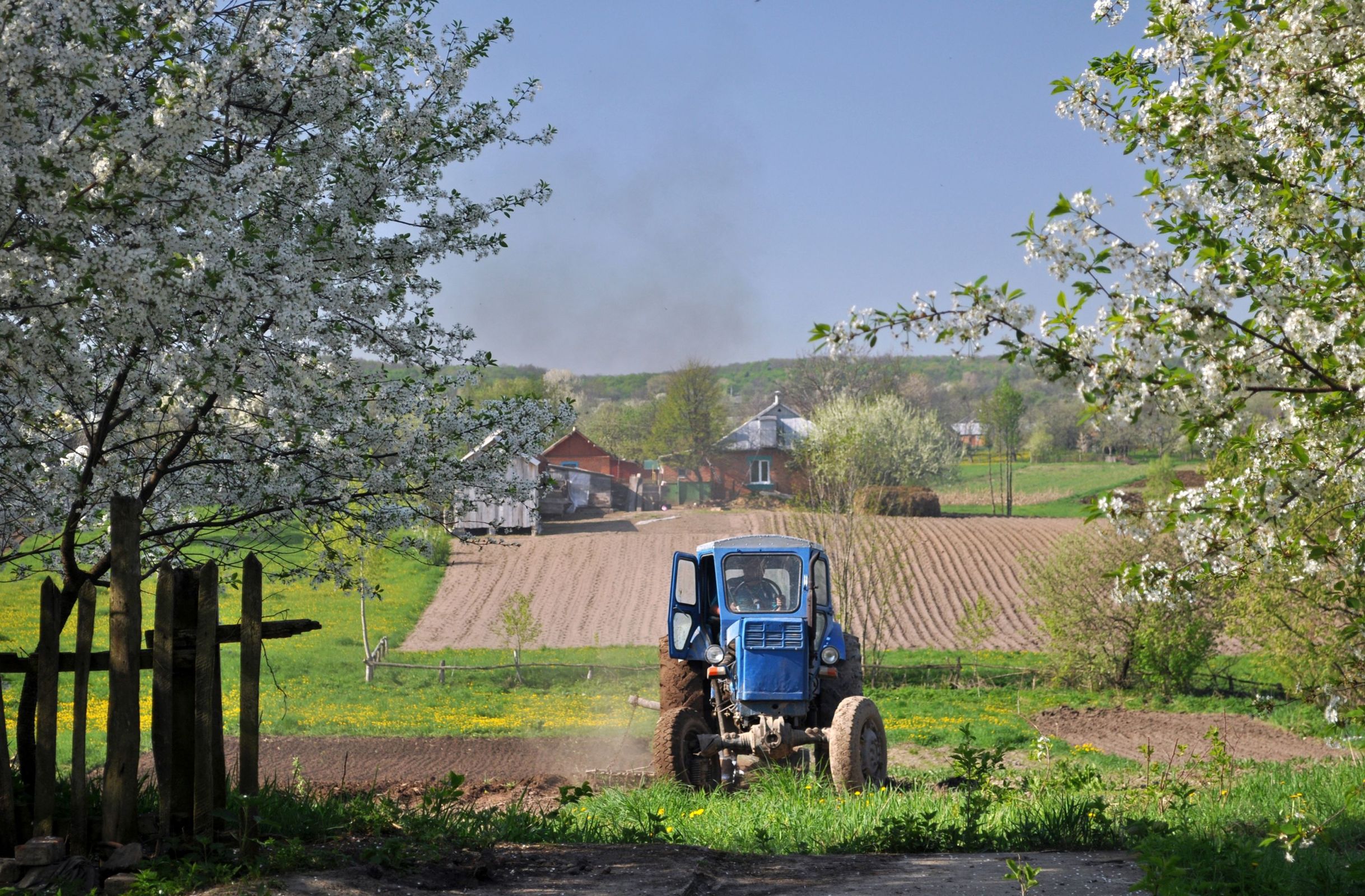
The typical rural Iowa community, with lush landscapes and plenty of outdoor space, has untapped potential as an eco-tourism or recreational hub. That community’s reality, however, is likely hindered by aging or insufficient infrastructure.
Local champions who move decisively to develop plans that generate financial capital can spur reinvestment and successfully attract tourists and visitors, fostering a new reality. With dedication and purpose, that kind of transformation could happen in the communities of Winnebago and Worth Counties.
This kind of action, encouraged by the Iowa Rural Vitality Coalition (IRVC) using its tailor-made Wealth Capital Framework, is helping rural communities in the Hawkeye State create balanced, strategic plans for the future, putting a premium on long-term health and economic prosperity.
“At the end of the day, it’s trying to be smart about how you plan for your future as a community, whether you’re rural or otherwise,” said Bill Menner, Director of the Iowa Rural Development Council, one of the IRVC’s charter organizations.
“If you do think about the long-term and you’re making decisions that have long-term implications, what are the potential benefits and downfalls? What are the pros and cons of making a specific decision?” said Menner. “These are the questions we’re encouraging communities to consider.”
What is the Iowa Rural Vitality Coalition & Wealth Capital Framework?
The IRVC is the result of a partnership of organizations across Iowa that are dedicated to improving the quality of life and access to resources for rural Iowans. In addition to the Iowa Rural Development Council, its other members include all three state higher education institutions (Iowa State University Extension and Outreach, the Institute for Decision Making at the University of Northern Iowa and the University of Iowa College of Public Health), as well as the Governor’s Empower Rural Iowa Initiative and Wellmark Blue Cross and Blue Shield.
Together, they strive to assist communities in addressing issues such as population decline, community health, housing shortages, and workforce gaps, while playing to local strengths and offering specific guidance and solutions.
“I think it’s been transformational, to have so many different perspectives and minds working together to help develop rural Iowa,” Menner said. “The work is challenging, but it’s exciting to have three Iowa universities, the governor’s office and regional economic development organizations working as one.”

The Wealth Capital Framework was originally created by rural sociologists at Iowa State. Offering a holistic view of what makes communities thrive, it examines both strengths and weaknesses in eight key categories, or capitals:
- Financial
- Intellectual
- Human
- Social
- Cultural
- Political
- Physical
- Natural
Critically, these wealth capitals place immense value in far more than just money. The diverse composition of the IRVC thus allows for a comprehensive analysis of how best to improve communities and the lives of their residents.
For example, Wellmark Blue Cross and Blue Shield can use its expertise to weigh in on health-centric issues far beyond the doctor’s office, such as access to nutritious foods, exercise, and air/water quality.
Once a community has identified its strengths and areas for improvement, informed decisions can be made, priorities set, and sustainable development pursued.
Iowa’s Pilot Communities
Over the last two years, the IRVC has partnered with two Iowa communities: the City of Manchester and Van Buren County, deploying the wealth capital framework to begin plotting out strategic development plans.
Across the board, buy-in has been palpable, with residents, entrepreneurs, and local leaders joining in their interest to create a sustainable future for their communities.
Throughout the process, the University of Iowa has closely monitored all aspects of the work, noting what’s been successful and what requires further fine-tuning. But early returns are positive, momentum remains strong, and the potential expansion of the pilot program is under consideration.
“We told the two communities upfront that they were guinea pigs; we were trying something new, and there would be a learning curve,” Menner said. “They understood, and in both, we kicked off with community meetings and dozens of people from broad cross sections of the community. Both have identified areas to address, strategies for taking action, and the next step is implementation.”
To learn more about rural revitalization efforts in Iowa and the Iowa Rural Vitality Coalition’s pilot program, contact the Iowa Rural Development Council or Winn-Worth Betco.
More Topics
You're in a meeting about childcare.Not business attraction, not incentives, not site selection. Childcare. Three employers told you the same thing last quarter: they can't fill the second shift because parents can't find care after 6:00 p.m. So now you're at a table with the United Way, a hospital HR...

Policy and Progress in Iowa
Feb 2 2026Connecting government decisions and economic developmentWorkforce. Housing, Infrastructure. Business attraction, retention and expansion. These are the oft-used descriptive terms of economic development. But a project’s ability to impact a community’s growth can be accelerated or derailed by one critical factor: government policy. State and local policies shape the potential for...
The city of Joice has joined more than 125 other Iowa entities who have chosen to show their support for Iowa Veterans by becoming an HBI community. Home Base Iowa is a one-of-kind program designed to connect veterans and service members with more than 2,300 businesses statewide who have pledged...